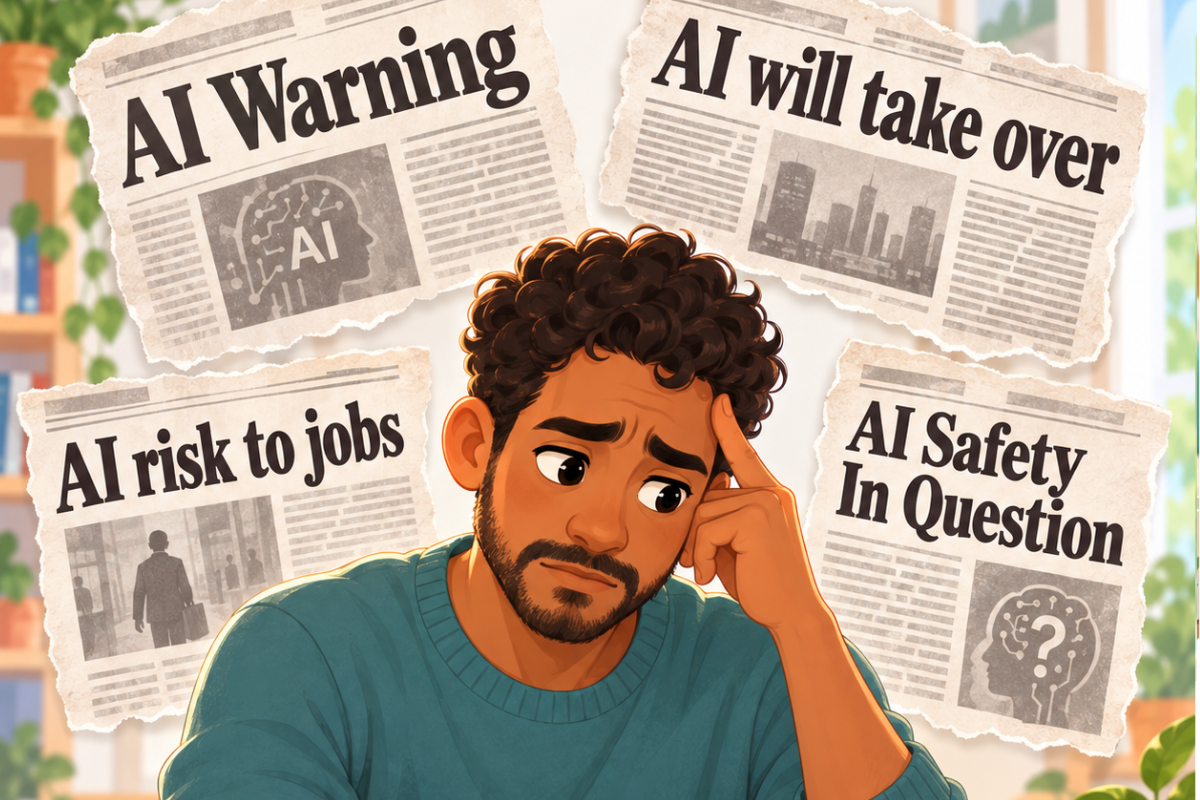

As artificial general intelligence (AGI) becomes a closer reality, many parents wonder how to help their children thrive in a world shaped by unprecedented technological advancements.
📑 In this guide
Start with our AI Confidence Quiz
AI is already part of your child’s learning. In just a couple of minutes, discover where your family stands and what to do next.
- ✓ Your family’s AI Confidence Score
- ✓ What you’re already doing well
- ✓ Simple, practical next steps
What is Artificial General Intelligence (AGI)?
Artificial General Intelligence (AGI) is a type of AI that can understand, learn, and perform any intellectual task a human can do, rather than being limited to specific tasks like current AI systems. It can think, reason, and adapt like a person, across many areas and challenges.
Below we describe how to prepare your kids for this imminent and world-changing technology.
Explaining AGI to children:
Imagine a robot or computer that can do anything a person can do. It can learn to play games, help with homework, tell stories, fix things, and even learn new skills—just like you can.
Right now, robots and computers are really good at specific things, like playing chess or answering questions. But AGI can figure out any problem, not just one special thing.
Preparing your kids for AGI
While AGI is not here yet, the steps you take today can equip your elementary-aged children with the skills, mindset, and resilience needed to adapt and succeed in a future shaped by it. Here’s what you can do now:
1. Teach Digital Literacy
Understanding how technology works and how to use it responsibly will be fundamental in an AGI-driven world.
What you can do:
- Teach your child how to navigate technology safely, including understanding online privacy and recognizing misinformation.
- Introduce age-appropriate coding or robotics toys to build familiarity with how technology works.
- Discuss the ethical use of technology and the importance of treating others kindly online.
2. Develop Lifelong Learning Habits
When AI can accomplish many tasks currently the sole preserve of humans, the ability to learn new skills will be critical.
What you can do:
- Foster curiosity by encouraging your child to ask questions and explore new interests.
- Introduce them to a variety of subjects and hobbies, from science experiments to art projects.
- Model lifelong learning by sharing your own learning experiences and taking on new challenges yourself.
3. Foster a Growth Mindset
AGI will likely bring about rapid changes and new challenges. Children with a growth mindset—believing their abilities can improve through effort are better equipped to adapt.
What you can do:
- Encourage persistence when tasks are difficult. Praise effort over results.
- Use phrases like, “You worked really hard on that!” instead of “You’re so smart.”
- Share stories of famous individuals who achieved success through resilience and lifelong learning.
4. Nurture Emotional Intelligence
While AGI may mimic emotions, emotional intelligence (EQ) will continue to be uniquely human and essential for collaboration and leadership.
What you can do:
- Help your child recognize and name their emotions, e.g., “It looks like you’re feeling frustrated. What can we do about that?”
- Teach empathy by discussing how others might feel in different situations.
- Encourage teamwork through group activities or games that require collaboration.
5. Focus on Creativity and Critical Thinking
When machines may handle repetitive tasks and even complex problem-solving, human creativity and critical thinking will remain invaluable.
What you can do:
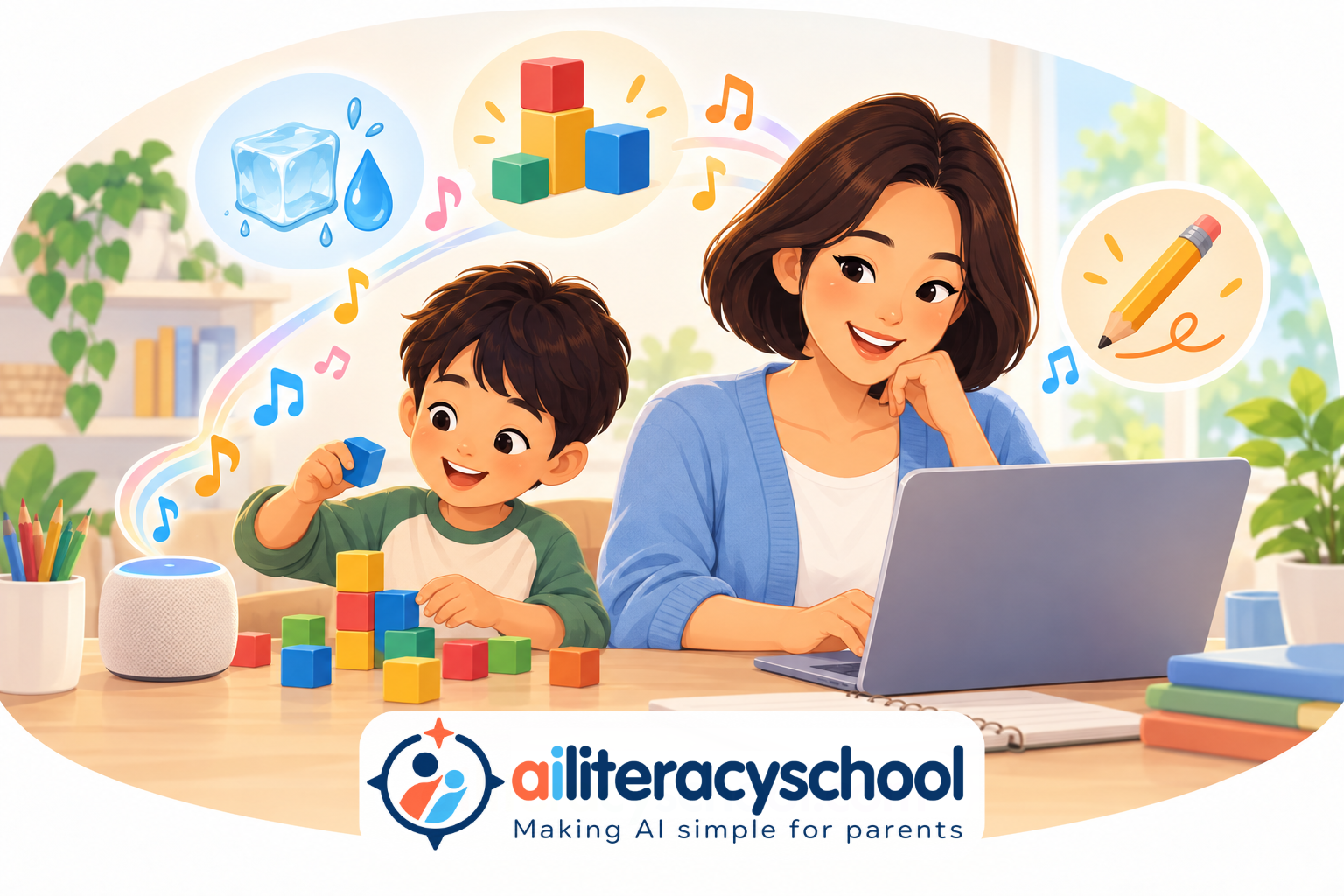
- Encourage open-ended play, such as building with blocks, crafting, or storytelling.
- Ask open-ended questions: “Why do you think that happened?” or “What could we try next?”
- Introduce activities that encourage problem-solving, such as puzzles, coding games, or strategy board games.
- Learn how to give your kids the tools to stay safe with AI.
6. Emphasize Ethical Awareness
As AGI systems take on more roles in society, understanding ethical considerations will be crucial.
What you can do:
- Discuss real-world scenarios where technology raises ethical questions, like privacy concerns with AI devices.
- Teach the importance of fairness, responsibility, and making choices that benefit others.
- Highlight stories of people using technology to improve the world.
7. Prepare for Career Flexibility
Jobs in the future may look very different from today’s professions. Help your child develop transferable skills that can be applied across industries.
What you can do:
- Encourage adaptability by exposing your child to different ways of thinking and problem-solving.
- Talk about the importance of collaboration, communication, and leadership skills that will remain relevant in any career.
- Provide opportunities to explore interests and passions that could inspire future careers.
8. Promote Well-Being and Balance
As technology becomes more integrated into daily life, balancing screen time with physical activity, social interaction, and downtime will be essential.
What you can do:
- Set limits on screen time and create tech-free zones, like during meals or before bedtime.
- Encourage outdoor play, sports, or creative offline activities.
- Teach mindfulness or relaxation techniques to help your child manage stress and build focus.
9. Stay Informed and Involved
To guide your child effectively, stay informed about AGI developments and their implications.
What you can do:
- Read articles, attend workshops, or join discussions about AI and AGI.
- Share age-appropriate explanations of what AGI is and how it might impact their future.
- Involve your child in conversations about the opportunities and challenges technology presents.
While we can’t predict exactly how AGI will shape the future, we can prepare our children by equipping them with the skills, values, and resilience to thrive in a dynamic world. By focusing on creativity, adaptability, emotional intelligence, and ethical awareness, you can help your child be ready to thrive whatever the outcome.
The future may hold uncertainties, but joining us today will ensure your child is ready to embrace whatever comes next.
Was this guide helpful?
Let us know whether this article helped you.
Share this guide with other parents
Know a parent who would find this guide helpful? Enter their email address and we'll send them the Parent Conversation Guide directly.